صحافة الكترونية مرخصة وزارة الاعلام ترخيص رقم 366-2019

صحافة الكترونية مرخصة وزارة الاعلام ترخيص رقم 366-2019

Major German industrial companies, such as Mercedes-Benz and Stihl, have pushed for a return to a 40-hour workweek without wage increases in an attempt to combat the industrial downturn and rising labor costs.
Average working hours
In 1984, metalworkers in West Germany secured a 35-hour work week after a seven-week strike, setting a new standard in sectors such as automobiles, engineering, and steel.
Today, roughly one-fifth of the German workforce operates under this system, while the average weekly working hours across all sectors are 37.8, according to the Financial Times on Wednesday, September 2nd. The
German industrial crisis
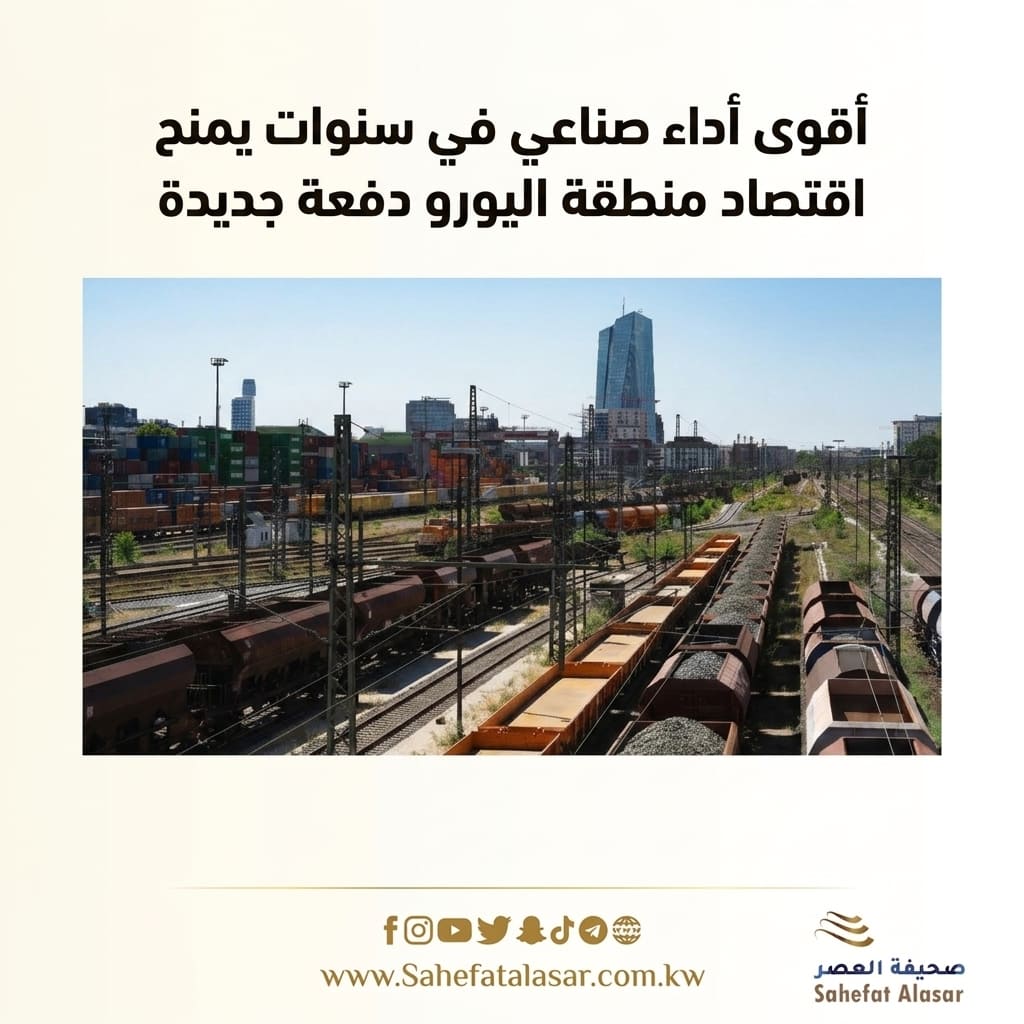
: Since late 2017, German industrial production has declined by more than 15% due to energy price shocks, Chinese competition, US tariffs, and the shift towards electric vehicles.
Although around 6.5 million people remain employed in the sector, experts like Marcus Berret of the consulting firm Roland Berger predict that the number will fall below 5 million, with 12,000 to 15,000 jobs being lost monthly.