UNCTAD sees zero growth in seaborne trade in 2026 as chokepoints come under strain
الأونكتاد يتوقع توقف نمو التجارة البحرية في 2026 وتضرر الدول الأقل نمواً
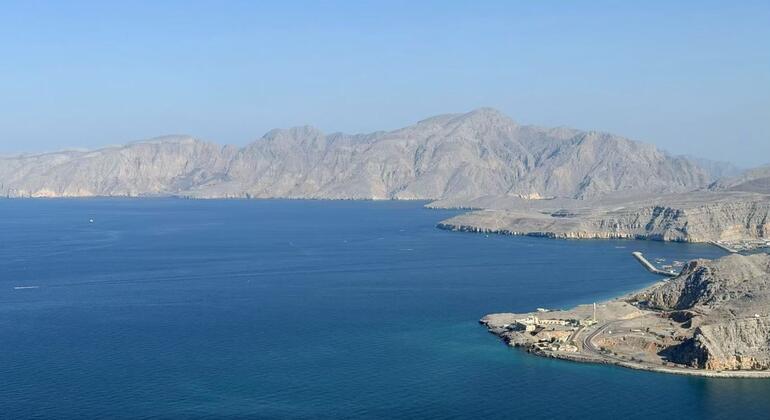
Global seaborne trade is expected to post no growth in 2026, the UN Conference on Trade and Development (UNCTAD) said, as at least four vital shipping corridors, the Strait of Hormuz, the Red Sea, the Black Sea and the Panama Canal, face simultaneous pressure. The agency forecasts a rebound of 3.2% in 2027.
According to an updated UNCTAD report, 12.3 billion tonnes of goods moved by sea in 2025, but growth slowed to 1.9%, half the pace recorded in 2024. Distances travelled are expected to rise by 1.5% this year as vessels are rerouted.
Speaking at a press conference in Geneva, UNCTAD's acting Secretary-General Pedro Manuel Moreno said attacks on ships linked to the conflict between Iran and the United States had brought oil and gas flows through the Strait of Hormuz to a near standstill. Small island states and the least developed countries are the most exposed, he said, since their imports often depend on multi-leg shipping routes. "Every additional mile means more fuel, more time and higher costs."
War-risk costs for a $100 million oil tanker jumped from around $200,000 to $1 million per voyage within days of the Hormuz disruption, UNCTAD said. If the current fuel shock persists into 2027, higher shipping costs alone could push consumer prices in the least developed countries up by as much as twice the global average.
There were some bright spots. South-South container routes grew 12.1% last year. The report urged shared stockpiles of essential food and fuel, alongside pre-agreed alternative trade routes and customs procedures to keep vital goods moving.